What happened
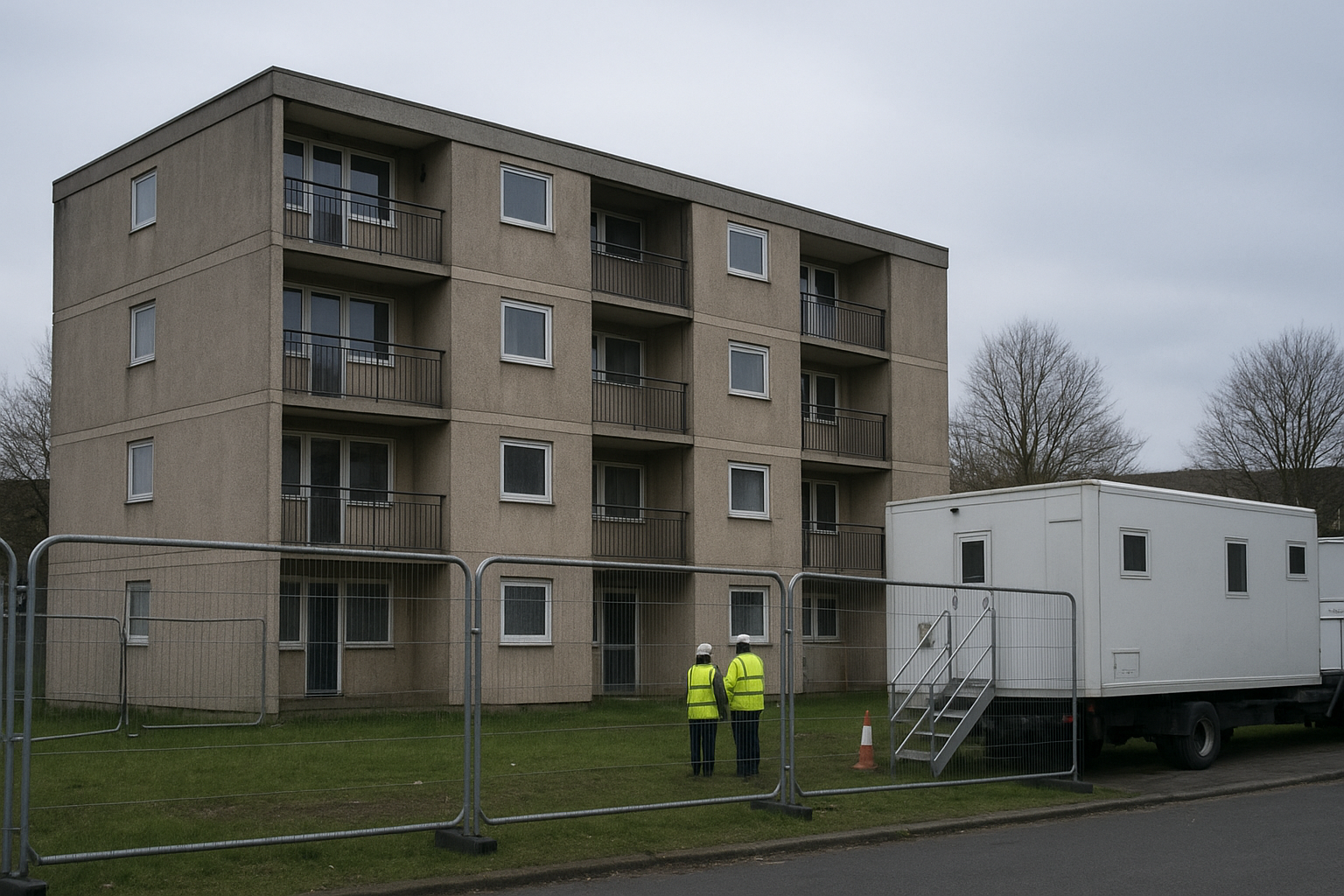
The government has ordered a fresh review of buildings developed by Galliard that were not included in previous remediation works. The decision follows the discovery of serious structural defects at the Royal Gateway development in Canning Town, London. According to the Construction Enquirer, hundreds of residents had to leave their homes after engineers found severe cracking and deflection in reinforced concrete transfer slabs. These slabs formed structural support for the residential blocks.
Angela Rayner, the minister involved, sent a letter to Galliard Group’s non-executive chairman, Stephen Conway. She accused the company of failing to provide sufficient help to residents who were displaced by the safety issues. The government became concerned when some residents stayed in unsafe buildings due to a lack of alternatives, while others spent significant sums on temporary accommodation. Newham Council had served Dangerous Structural Notices on all five blocks involved in the Royal Gateway scheme.
The background
Royal Gateway, also known as Caxton Works, was built by Galliard in joint venture with Cathedral Group. The development features 336 flats and penthouses split across five blocks. At the end of last year, the Building Safety Regulator warned about the risk of punching shear failure in reinforced concrete transfer slabs. This type of structural failure can take place when heavy columns break through the slab beneath them.
The current crisis has highlighted concerns over the state of reinforced concrete in multi-storey residential blocks. Galliard, meanwhile, said its offer of financial support to affected residents did not represent an admission of liability. Technical investigations at the site are underway to determine the full nature and extent of the problems and to decide what repairs are needed. Newham Council is monitoring the situation at the affected blocks as government officials widen their probe to include other Galliard developments previously assessed as safe.
The Construction Enquirer notes that Galliard was among the last major housebuilders to sign a government contract on cladding and safety remediation. Rayner has criticised the company for this, suggesting it put financial considerations before residents’ interests. The minister also highlighted that Galliard’s response to official advice on arranging emergency accommodation took almost two weeks. Galliard has now appointed the Insurance Claims Accommodation Bureau to directly arrange and pay for temporary housing and has started a process to reimburse residents for incurred costs.
What people are saying
Angela Rayner, who wrote to Galliard Group’s chairman, accused the business of not supporting affected residents quickly enough. She said that Galliard’s actions had not bolstered its reputation, as reported by the Construction Enquirer. According to Rayner, delays in securing specialist temporary accommodation and slow progress following government direction were unacceptable.
Galliard has said that its move to offer funding for alternative accommodation and set up a reimbursement process is an effort to support those impacted. However, the company maintained in its statements that this offer is not an admission of liability for the structural problems.
Officials at Newham Council have been taking action as well, serving Dangerous Structural Notices on all five blocks at Royal Gateway. The Building Safety Regulator’s earlier warning about punching shear risk is being treated with increased urgency following the observed damage at the site.
What happens next
Technical assessments at Royal Gateway continue as engineers work to identify the cause and extent of the structural damage. The government’s expanded review will now consider other Galliard-built developments once thought not to require remediation. No timetable has been provided for this wider probe, but officials have called it a 'major escalation' in the government's response.
Meanwhile, Galliard has engaged the Insurance Claims Accommodation Bureau to handle temporary accommodation for affected residents directly, replacing the previous situation where residents organised their own solutions. The company has also established a system to pay residents back for costs they have already incurred while waiting for government or council intervention.
Further remediation actions are dependent on the continuing technical investigation, which will determine what repairs are needed. Galliard’s role in remediation and in supporting affected residents will remain under scrutiny from both government and local authority officials. The government review of other Galliard buildings may lead to additional safety checks or corrective measures on other residential developments as more information emerges from the ongoing investigations.