What happened
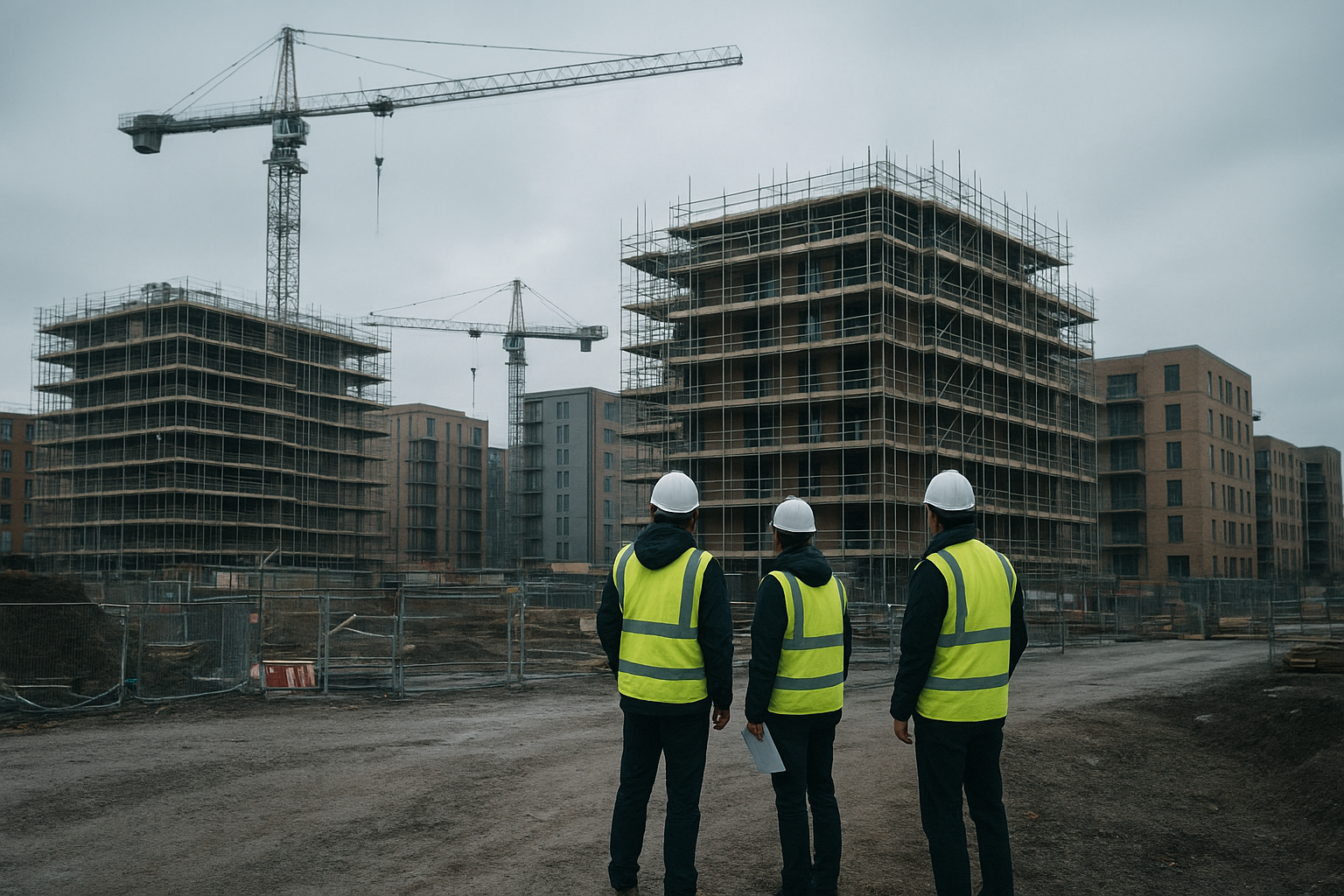
Several major UK housebuilders have issued profit warnings and paused developments due to weak demand, tougher regulations, and rising costs. Large projects, such as a planned redevelopment in Lewisham, have stalled as councils push for higher affordable housing quotas and developers cite challenging market conditions. Landsec stopped its Lewisham town centre scheme after Lewisham council, under its new Green administration, requested more affordable homes than previously agreed.
Henry Boot, a property and land developer focused on northern England, reported that its financial performance for the year would fall significantly below expectations, resulting in a share price drop to a 13-year low. The company expects a loss of up to £10 million, blaming low market confidence and weak demand. Similarly, Crest Nicholson warned of falling demand and is reviewing the value of its land bank after reporting annual losses between £30 million and £40 million. Taylor Wimpey has cut profit forecasts and predicts an industry-wide sales slowdown will continue "well into next year".
UK Ministry of Housing, Communities and Local Government (MHCLG) figures show a decline in English new-build housing completions, from about 212,000 in 2022-23 to 190,000 in 2024-25. The number of homes completed in London rose by 9% in the past year to 18,050, while starts increased by 298%, returning to 2023-24 levels but far below 2022-23's 21,660 starts.
The background
Since 2015, new private sector housebuilding in London has dropped by 84%, according to data consultancy Molior. The capital requires 88,000 new homes annually to meet demand. Public and private sector completions in other regions have also fallen. In the West Midlands, completions dropped 7% and in north-west England by 4% in the year to June. Glenigan reported a significant decrease in private-sector starts across developments under £100 million during the past year.
Construction consultants cite high build costs, tighter lending conditions, and subdued demand as the main reasons behind the reduction in activity. Many development plans have been redesigned, delayed or cancelled. After a pandemic recovery appeared to be underway in 2024, the sector has faced renewed setbacks from increased employment taxes and global factors like the Iran war.
Developer confidence is also dented by new regulatory costs. The post-Grenfell building safety levy, from which the government aims to raise £3.4 billion over 10 years, and stricter regulations on constructing and insulating tower blocks, have raised development costs, according to developers.
About 3,800 construction sector firms have gone insolvent in the past 12 months, more than any other UK sector. The construction industry now makes up just 6% of the UK economy, but recent quarterly figures show it contracted by 0.7% in the three months to September, holding back wider economic growth.
The numbers
Annual completion figures have shrunk across England. According to MHCLG, completions dropped below 36,000 for the second quarter of this year, compared to almost 43,000 for the same period in 2024. Privately listed housebuilder Barratt Redrow lost over a third of its share price value since 2024, and Persimmon’s market value has yet to recover to previous levels.
UK housebuilders are responsible for around 60% of new-build completions, but the outlook for 2026 remains weak. Crest Nicholson points to expensive remedial work and a drop in new margins. Savills residential research director Emily Williams forecasts average house prices to fall by 1.5% next year after stagnant growth in 2026. The Bank of England is expected to raise interest rates from 4% to 4.25% in the coming months, further affecting affordability.
What people are saying
Damien Sharkey of Hub described 2027 as likely to be "one of the most challenging" years in the company’s history. Savills’ Emily Williams forecasts a further price drop next year, citing the ongoing lack of growth in 2026. Russ Mould, investment director at AJ Bell, says weak demand is leading housebuilders to cut land purchases and review land bank values, citing Henry Boot and Crest Nicholson as examples. Kelly Boorman at RSM says the biggest challenges are matching developments to uncertain demand rather than land supply or planning.
Glenigan chief economist Allan Willen states that build costs, restricted lending, and softer demand have driven delays and cancellations. Simon Rubinsohn, chief economist at RICS, suggests some northern regions may be less affected, but most of the country will see further price softening into 2027.
What happens next
Most analysts believe the government will miss its existing target of building 1.5 million homes by 2029, with forecasts indicating a shortfall of about 500,000 homes. Developers expect subdued market conditions to continue through 2027, with public sector activity offering limited prospects for short-term recovery. Glenigan predicts a modest upturn in public sector building as councils and housing associations seek to acquire unsold homes or invest in new rental schemes.
Some developers are partnering with local authorities for affordable housing delivery. For instance, Hub’s recent project in west London delivered 270 homes in partnership with Women’s Pioneer Housing, including 60 flats for vulnerable women. Public bodies buying up homes from developers could allow private firms to reinvest working capital in new projects.