What happened
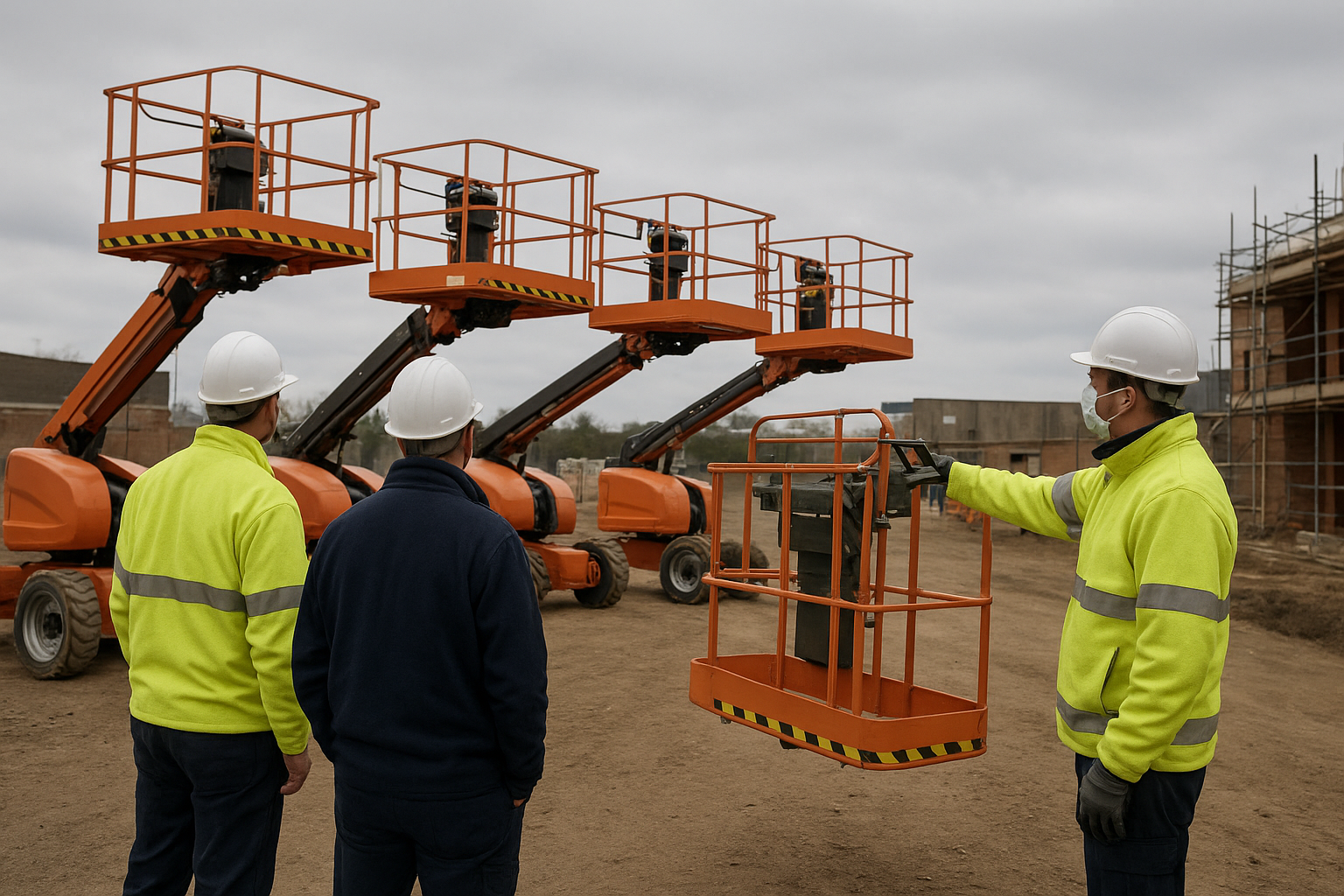
The International Powered Access Federation (IPAF) is advising contractors to start discussions early with rental firms and mobile elevating work platform (MEWP) suppliers when planning for new site requirements, especially those related to secondary guarding. According to IPAF, tier 1 contractors have begun introducing rules that require secondary guarding on MEWPs to help prevent crushing and entrapment of workers.
IPAF says these safety changes are intended to improve protection for site operatives. However, the federation stresses that the shift will place new demands on the equipment supply chain. Rental companies and other MEWP providers will need to review and understand the new requirements, inspect their existing fleet, and determine suitable safety systems for each type of machine according to the intended application.
Suppliers must then source and install the correct equipment. This may involve procurement planning, budgeting for new parts or systems, and scheduling time to modify individual machines, all before they can be made available for use onsite under the new rules.
The background
Secondary guarding is designed to reduce the risk of entrapment or crushing incidents involving MEWP operators, a key issue in powered access safety. Requirements for this equipment can take several forms: physical barriers, electronic sensors or cut-out devices tailored to the type and use of each platform. According to IPAF, these requirements are becoming standard on some sites, especially where work at height risks are high.
The federation supports the intention behind secondary guarding mandates but stresses that implementation must be managed carefully. It says that if such requirements are introduced without sufficient notice, rental companies could face significant logistical and financial challenges. Factors such as equipment availability, detailed manufacturer advice, installation resources, costs, and machine downtime for modifications all need to be considered.
Introducing new rules at short notice could slow down the supply of compliant MEWPs, add to contractors’ costs, and risk project delays if contractors cannot secure the equipment needed to satisfy site entry requirements.
What people are saying
IPAF is calling for robust planning and clear communication between contractors and equipment suppliers. It urges contractors to consult MEWP suppliers as early as possible when developing new site-entry or equipment amendments.
The federation emphasises that contractors should allow a reasonable period between announcing new site standards and making them compulsory. This lead time is necessary for suppliers to conduct assessments, source or retrofit equipment, and budget for any additional outlay.
IPAF stresses that secondary guarding must always be just one part of an overall risk-management process. The organisation says effective risk assessment should consider the type of MEWP being used, the particular task, environmental conditions, and the likelihood of entrapment.
According to IPAF guidance), operators remain the primary line of defence. Operatives must follow formal method statements and stay alert, particularly when working in confined areas, manoeuvring near structural steelwork or overhead obstacles, or raising and slewing platforms in tight spots. Despite engineering improvements, IPAF warns that technology alone does not substitute for properly trained and supervised staff.
IPAF also directs contractors and suppliers to its earlier statements, particularly on secondary guarding standards for scissor lift platforms, for more detailed guidance.
What happens next
Contractors planning new projects or upgrades will need to review their site procedures in light of these trends, checking if their sites will now require secondary guarding on powered access equipment. Early engagement with suppliers can help identify potential problems and avoid last-minute delays.
Equipment providers will need to audit their existing fleets, check the compatibility of available guarding systems, and prepare to allocate resources for incoming requirements. The lead time for retrofitting or upgrading systems may vary depending on the fleet size and the complexity of the required solutions.
IPAF’s recommendations suggest that close collaboration across the supply chain will be essential. Contractors and suppliers are encouraged to refer to IPAF’s published statements for background and to coordinate efforts so safety upgrades proceed without disrupting site productivity or inflating costs. Wider adoption of secondary guarding may eventually become standard practice across more sites. For now, careful planning and open communication are seen as key to a smooth transition.