What happened
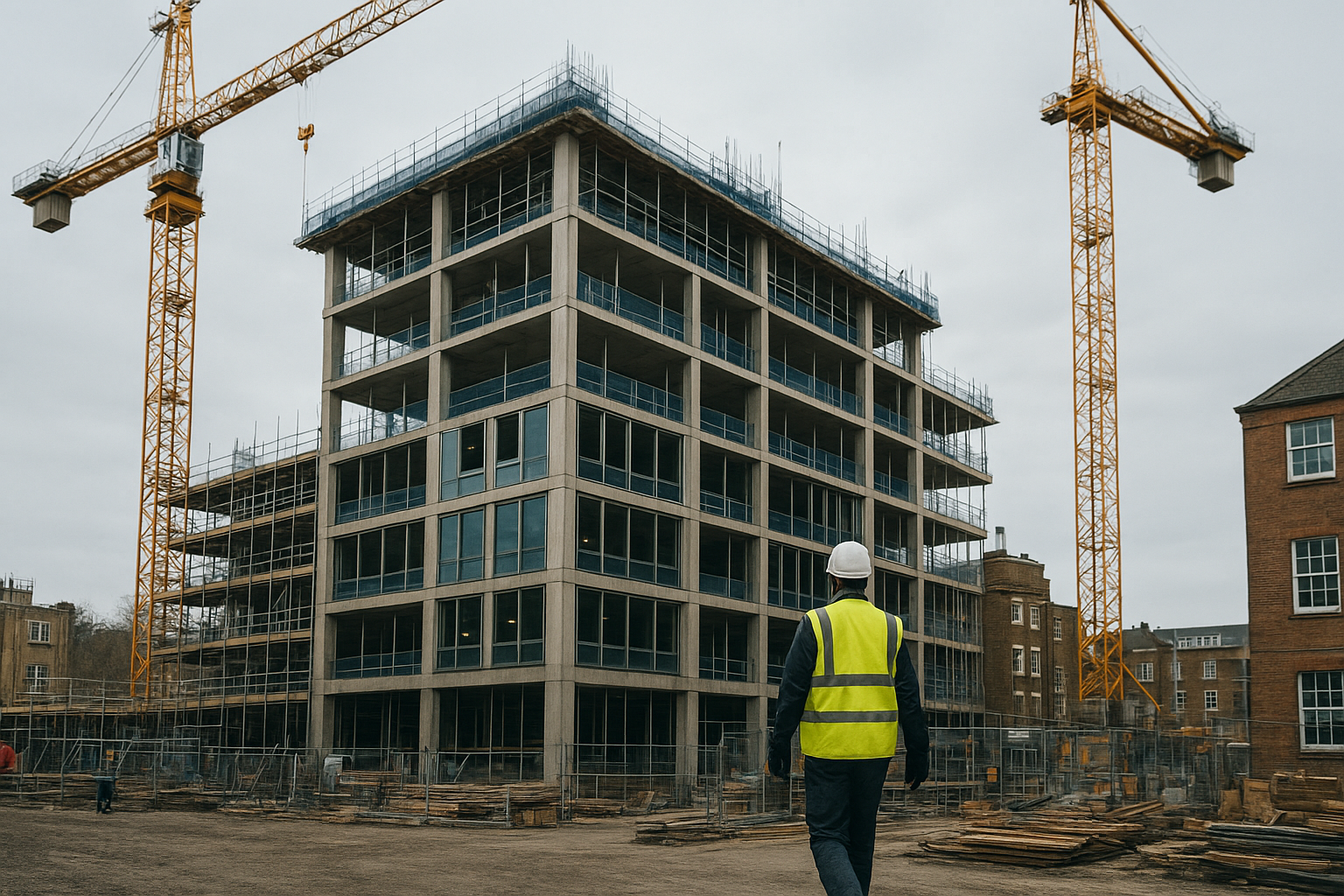
Landsec has announced it will scale back spending on new developments and pause most new project commitments. The developer will reduce its committed development exposure to about 2% of its portfolio by March 2027. Spending on new schemes is set to fall from £1.1bn a year ago to roughly £200m by March 2027. This comes as Landsec completes remaining large projects, including the £453m Thirty High redevelopment in Victoria, London, and the £155m Republic office scheme in Manchester.
Landsec has £133m of committed spending left on these two schemes. The company does not expect to make any significant new development commitments for at least the next 18 months. Instead, Landsec will focus investment on its existing £7bn office portfolio and major shopping centres. Its chief executive, Mark Allan, said that risks around returns on future projects remain high.
The background
According to Landsec, build cost inflation has driven up construction expenses by 41%. Higher borrowing costs and stagnant property values have also severely affected project economics for new developments. Landsec stated that returns from new office developments are currently insufficient compared to keeping existing high-quality office assets.
The decision comes despite continuing strong demand for prime London offices. According to the developer, new supply in the city remains tight, and rents are rising, but the underlying costs and the economic environment outweigh those positives. Landsec will continue to upgrade its existing properties, including a planned £38m investment in New Street Square, London. Upgrades there will include new air source heat pumps and public space improvements.
At Thirty High, completion has been delayed by up to six months due to a testing and commissioning issue, though Landsec says this has had no significant cost impact. Three recently finished office schemes in London—at Timber Square, King’s Cross, and Oval—are now 88% let or under offer, indicating strong market appetite for well-located stock.
The squeeze on spending also extends to residential projects. Landsec has dropped the planned £1.5bn redevelopment of Lewisham Shopping Centre. It said the project’s financial returns no longer justified the risk. Other large residential schemes, including the 1,800-home Finchley Road development in north London and the 1,700-home Mayfield project in Manchester, remain under review. The Finchley Road scheme recently secured updated planning permission, though the share of affordable homes was reduced from 35% to 20%.
Landsec has warned that neither Finchley Road nor Mayfield will start before 2028. Key reasons given are the need for further detailed design, Building Safety Act approvals, and site preparation.
What people are saying
Mark Allan, Landsec’s chief executive, said the group will not increase its development exposure for at least the next 18 months as risks around returns remain elevated. In the company’s statement, Landsec described the economics of speculative development as ‘fundamentally weakened’ by construction inflation and increased financing costs, coupled with flat capital values for new office schemes.
The firm has said that, for now, investment returns are stronger in managing and improving existing assets. Landsec’s recently completed Central London offices are meeting leasing targets, showing underlying tenant demand for completed space.
The numbers
Landsec’s ongoing capital commitment to major new schemes will fall to about £200m by March 2027, down from £1.1bn one year ago. The group’s most prominent remaining schemes are the £453m Thirty High and the £155m Republic offices.
The developer reported a pre-tax profit of £243m in its half-year results, more than doubling the previous year's £98m. This upturn was mainly due to valuation gains rather than improved rental earnings, with the company’s underlying EPRA earnings flat at £192m. Net rental income for existing portfolio properties was up 6.2% like-for-like.
Planned investment in the existing estate will include a £38m spend at New Street Square and ongoing retail investment, such as £611m in recent acquisitions at the Metrocentre in Gateshead-contract) and Bluewater in Kent.
What happens next
For the next 18 months, Landsec will avoid new development starts, instead investing in upgrades to its current office and retail portfolio. Future development exposure is expected to remain at half the levels recorded over the past five years. The company will also continue to recycle capital from office assets and sell pre-development land holdings where appropriate.
Residential schemes at Finchley Road and Mayfield will not proceed before 2028 due to outstanding design and regulatory requirements. The volume of affordable homes in the Finchley Road scheme has been reduced, which may affect local housing supply. Major investment priorities for Landsec now centre on established retail assets, following major retail acquisitions in recent months.