What happened
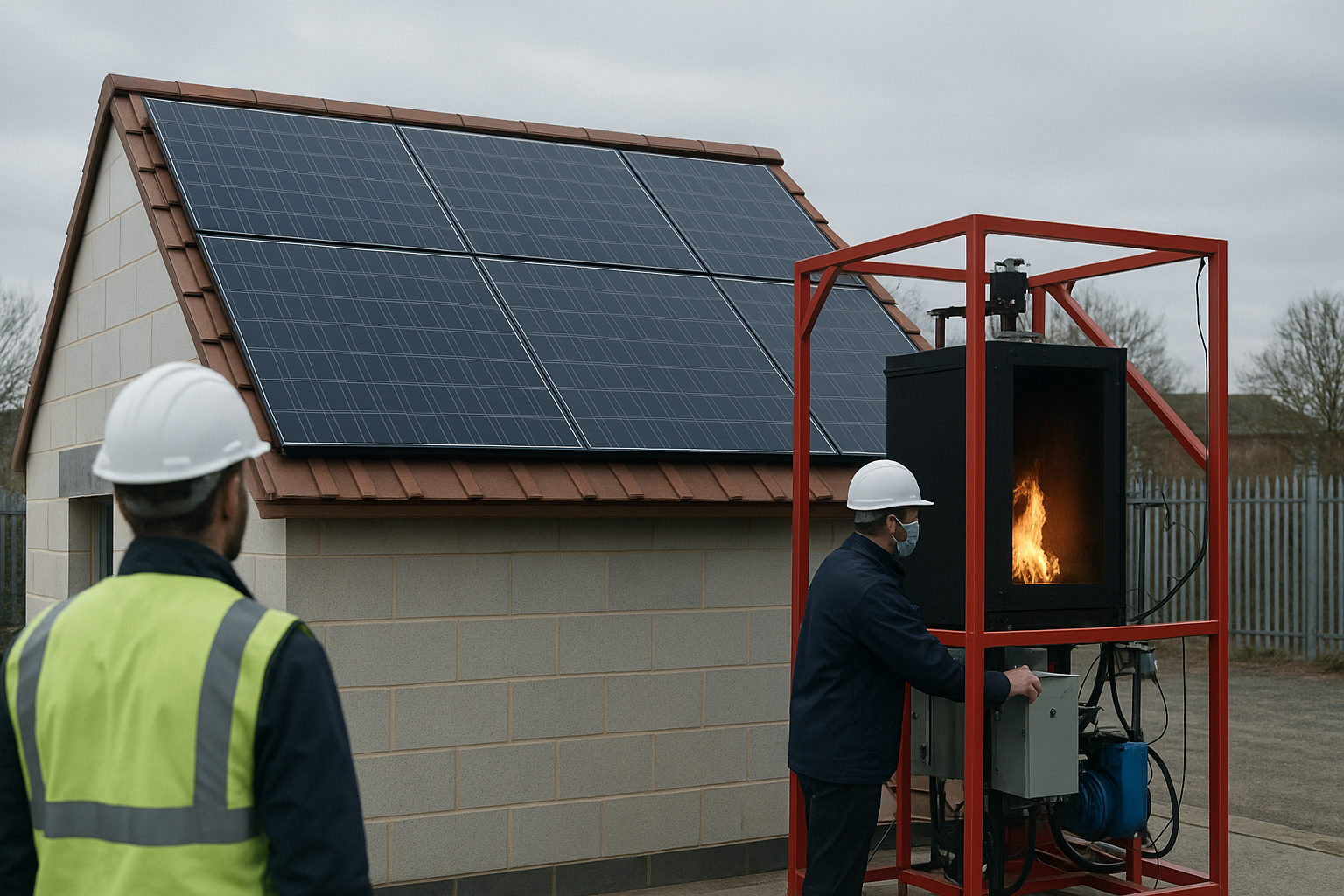
MCS has released a new guidance document for the fire testing and classification of roof integrated solar photovoltaic (PV) mounting systems. The guidance, developed with input from MCS’s Solar PV and Solar Mounting Technical Working Groups, is targeted at test laboratories. It covers the identification and testing of these systems to DD CEN/TS 1187:2012, Test 4, according to MCS reporting in the guidance announcement.
This guidance follows changes to the European standard in September 2023, which affected how roof integrated solar PV mounting systems were classified against external fire sources. The changes created uncertainty over the route to fire performance certification, which the new guidance seeks to clarify for installers, manufacturers, and certifiers.
A supplementary Interpretation Note is expected in the coming weeks. This will help product certification bodies understand and implement the updated requirements under BS EN 15725:2023, as well as how the changes align with MCS 012, the Solar Mounting Product Standard, in the absence of a relevant full British Standard.
The background
Roof integrated solar PV systems, also called building-integrated photovoltaics (BIPV), are systems where the PV module itself forms part of the pitched roof covering. Fire classification is the main accepted way to demonstrate that these systems meet the requirements for external fire performance under building regulations across the UK. It is a compulsory step for products to achieve MCS 012 certification.
MCS reports that solar PV, including integrated systems, is now its most widely certified technology, with more than 2.1 million certified installations in UK homes and small businesses. The Future Homes Standard, set to come into force next year, is due to make solar PV the default rooftop system for new builds. This is expected to increase the volume of roof integrated systems installed as part of the drive to meet government building requirements and Net Zero targets.
Recent changes to European and British standards left a gap in established fire testing routes for these particular integrated systems. The new MCS guidance aims to resolve this for manufacturers, test laboratories, and market certification bodies, supporting consistent compliance and market confidence during the transition to new regulatory frameworks.
What people are saying
Lisa Cooke, Managing Director at MCS, said the issue is “crucial” for the industry. She noted that installers and manufacturers rely on clear guidance to maintain robust certification, continuity in the market, and high quality of installation. MCS’s decision to work with partners to address the emerging uncertainty was aimed at providing a practical, consensus-driven solution, according to the statement.
In its communication, MCS describes the guidance as a technical resource for test laboratories. The supplementary Interpretation Note, due to follow, aims to clarify the implications of updated external fire testing and product standards in the context of current MCS requirements. MCS expects this package of documents to offer certifiers a reference point for product assessment until a new or updated British Standard is made available for these mounting systems.
What happens next
The guidance is now available for use by test laboratories working with roof integrated PV mounting systems. MCS will publish its supplementary Interpretation Note in the next few weeks to expand on the implications of BS EN 15725:2023 and the certification process for MCS 012 in the interim.
Manufacturers and certification bodies are expected to use MCS’s new material as an authoritative route for demonstrating fire compliance for building-integrated PV modules until formal standards are established. The guidance is also intended to support contractors and specifiers in providing evidence that roof integrated PV systems comply with UK building regulations for fire performance.
With government regulations driving the adoption of solar PV on new homes from next year, the need for clear, reliable fire test and certification methods is expected to increase further. The new MCS guidance represents an interim solution for the industry until full national and European standardisation catches up with changes in system design and installation practice.