What happened
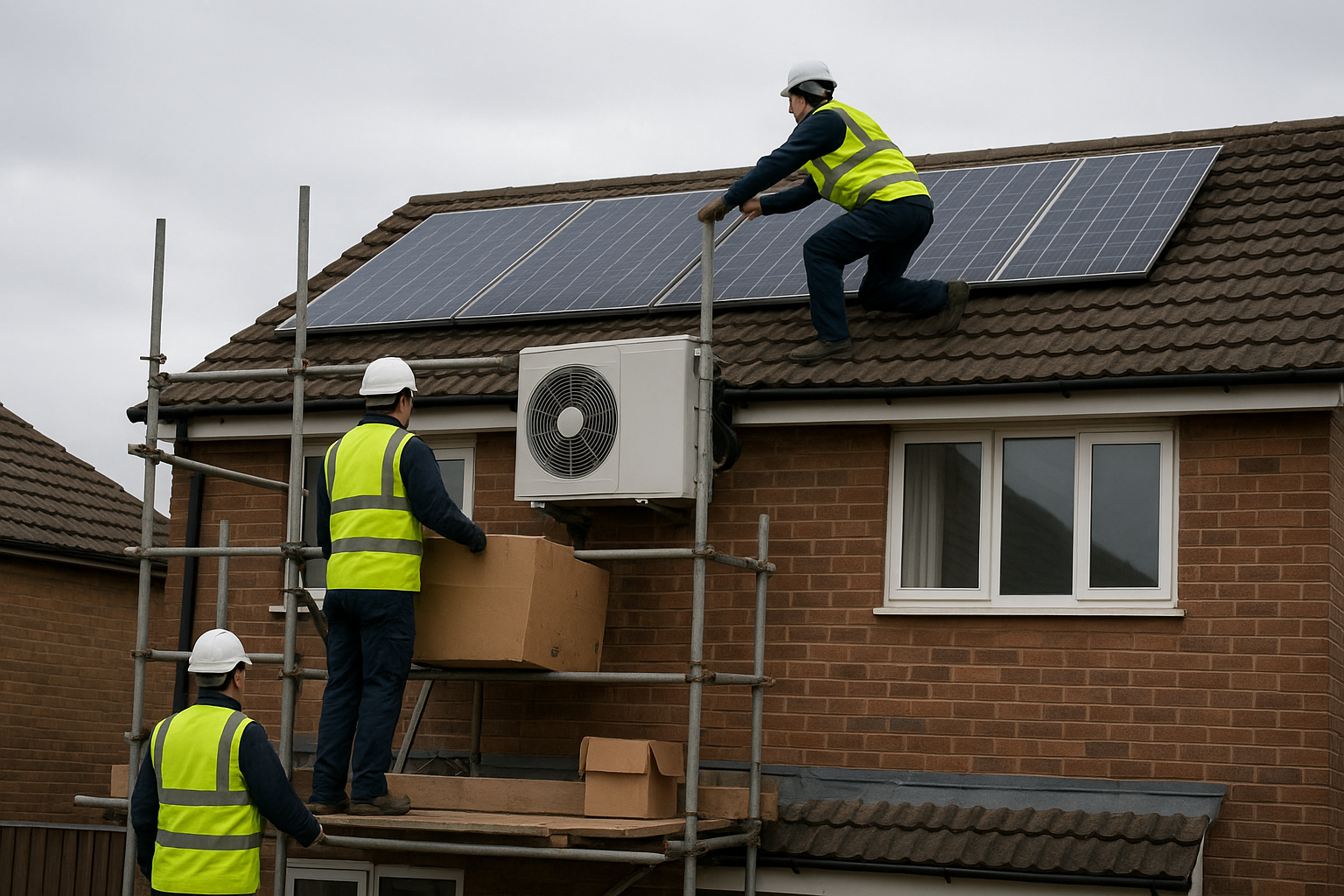
The UK government plans to end the 5% VAT exemption for home energy upgrades, including heat pumps, solar panels and batteries, from 1 April. This change will increase costs for households installing these systems. According to The Guardian, industry sources estimate that some installations could cost up to £1,530 more after the VAT exemption ends. Installers and trade associations have warned this may trigger a countrywide surge in demand before the deadline, putting pressure on the sector to deliver installations before April.
Industry groups are pressing the government to reconsider the VAT increase. They say the sudden change risks both a disruptive spike in demand ahead of the deadline and a fall-off afterwards. The head of the Heat Pump Association, Charlotte Lee, stated that this could disrupt supply chains and create unpredictability for consumers seeking upgrades. There are also concerns that some customers may face unexpected charges if scheduled work cannot be completed before the VAT rise takes effect.
The background
Demand for energy efficiency improvements and fossil fuel alternatives has increased since European gas prices surged in the wake of conflict in the Middle East. This has pushed UK household energy bills to some of their highest levels in four years, according to The Guardian. The government had maintained the lower VAT rate as an incentive for consumers to install technologies like heat pumps and solar panels, but has now decided to end this exemption.
Industry representatives argue that withdrawing the VAT relief runs counter to the government’s stated aim to support low-carbon home upgrades. Chris Hewett of Solar Energy UK said the VAT rise could raise the cost of new low-interest loan schemes for home solar and battery installations. Some government policies, such as zero-rating domestic electricity bills until July next year, are intended to promote electrification, but the VAT increase may undermine these efforts, according to industry voices.
The government launched new measures, including a warm homes loan scheme, allowing households to purchase energy upgrades at no upfront cost. A Department for Energy Security and Net Zero spokesperson said that record numbers of people are now applying for heat pump grants via the Boiler Upgrade Scheme.
What people are saying
Industry associations, such as the Heat Pump Association and Solar Energy UK, have publicly called for the government to maintain the VAT exemption. Charlotte Lee, chief executive of the Heat Pump Association, highlighted the issue of unpredictability and disruption to both consumers and the supply chain. Chris Hewett, chief executive at Solar Energy UK, warned the policy leads to a situation where energy-saving measures are taxed more than energy use itself, and said his organisation would continue to urge the government to change course.
Political figures have also voiced concern. The Liberal Democrat energy spokesperson, Pippa Heylings, described the change as ‘total policy madness’ and inconsistent with commitments to encourage clean electricity. She warned that the combined VAT increase could add substantial costs to a range of upgrades, including air-source heat pumps and 4KW solar panel installations. The party has called for the government to reverse what it describes as a “shortsighted heat pump tax.”
What happens next
Industry associations are in discussions with the government seeking clarity on the transition arrangements. They want to know how the new VAT rules will be applied, especially to installations already booked and potentially delayed past 1 April. Installers are now preparing for a surge of orders as households attempt to complete upgrades ahead of the tax change. However, there are concerns that supply chain capacity and availability of installers may not meet the elevated demand before April.
The government maintains its policy is to promote adoption of clean energy technologies, highlighting grant schemes and finance products aimed at making upgrades affordable. No statement has been made on whether the scheduled VAT exemption end date will be reconsidered before April.