What happened
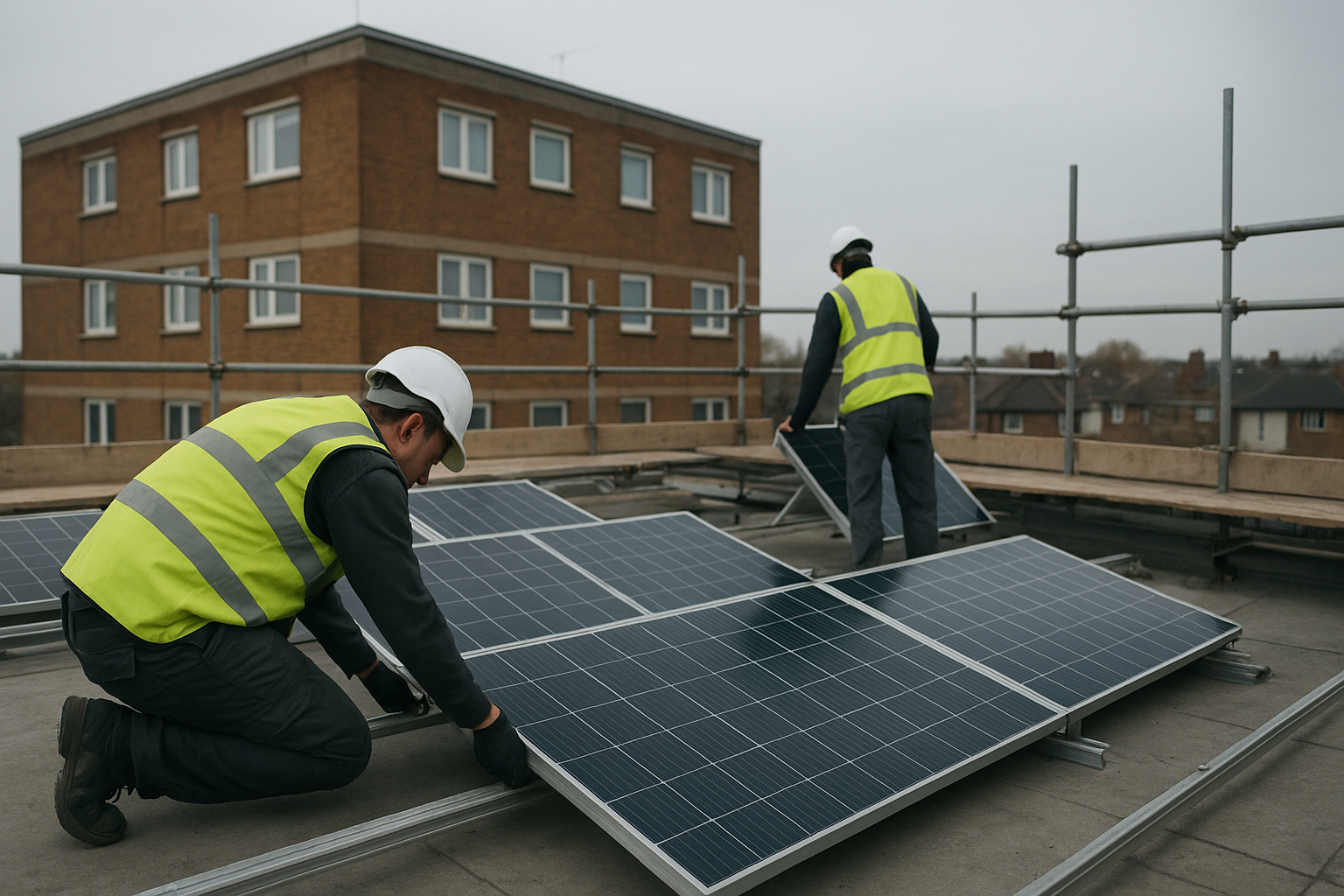
The UK government has published the first facts about its new Warm Homes Loan Scheme. According to Roofing Today, the scheme will offer no- and low-interest loans to help homeowners install solar panels, batteries, and heat pumps. The loans are intended to remove the need for any upfront cost, with repayments spread over as long as 30 years. The government says this will help families make the switch to cleaner energy technologies at a time when demand is increasing. Nearly 150,000 solar panel installations took place in the first half of 2026, according to figures cited in the government announcement.
Borrowers will be able to secure loans of up to £15,000 through the scheme to fund installation of solar panels. The government estimates the initiative could allow families to save as much as £550 a year on energy bills by installing solar panels, with potential for a further £300 saving if they adopt a time-of-use tariff.
The background
The Warm Homes Loan follows ongoing efforts to accelerate household adoption of renewable energy and low-carbon technologies in the UK. It adds to existing incentives such as the Boiler Upgrade Scheme, which offers grants to households looking to replace fossil fuel heating systems with heat pumps. Under the new loan scheme, homeowners can combine a Warm Homes Loan with a grant of up to £9,000 from the Boiler Upgrade Scheme in England or Home Energy Scotland in Scotland to help pay for a heat pump installation.
The government says the Warm Homes Loan Scheme will be available to homeowners throughout England, Scotland, Wales and Northern Ireland. To guarantee quality and consumer protection, all installations under the scheme—except those for heat network connections—must be carried out by installers certified under the Microgeneration Certification Scheme (MCS). This is designed to ensure that recognised technical and consumer protection standards are upheld across all eligible projects.
The numbers
Current information from the government indicates that up to ten lenders are offering loans through the scheme, though most have yet to publish their exact rates. The government has worked with lenders to try to secure loan interest rates at least 5% below those of conventional bank loans, but rates appear to vary, and not all lenders have disclosed their terms. The total maximum loan size for each technology has not been specified except for solar panels, where the upper limit is £15,000.
The scheme is designed to support the rapid increase in small-scale renewables being installed in UK homes. Lisa Cooke, Managing Director of MCS, stated that 2026 looks set to be a record year for certified renewable installations. She said that wider access to financing helps build on this momentum, making low-carbon technologies more accessible to households across the country.
What people are saying
Lisa Cooke of MCS highlighted the importance of robust consumer protections as installation volumes continue to rise. According to Cooke, requiring all small-scale renewable installations funded by the Warm Homes Loan Scheme to be MCS-certified will give homeowners confidence in project quality standards. She said this reflects recent changes by MCS aimed at strengthening consumer protection for renewable energy installations.
The government has not made further public comment beyond highlighting expected bill savings and anticipated expansion of both participating lenders and available loan products in the coming months.
Consumer advice service Money Saving Expert has issued a warning about scams related to green home energy schemes, urging consumers to verify installers’ certification and to beware of fraudulent offers.
What happens next
Further details of the Warm Homes Loan Scheme, including specific lender rates and maximum loan amounts for technologies other than solar panels, are expected to be published as the scheme expands. The government says it expects the number of participating lenders and products to increase over time.
Consumers seeking to apply for the scheme are advised to ensure installations are carried out by MCS-certified businesses. The government and MCS stress that this is key for quality assurance and access to scheme-backed protections if problems occur with the installation or products supplied.
The government says it will continue to work with lenders and the wider industry as the scheme develops and response from the public is assessed. Additional information is expected to be released as new products and lenders join the initiative and more householders take up the loans in the latter part of 2026 and beyond.