What happened
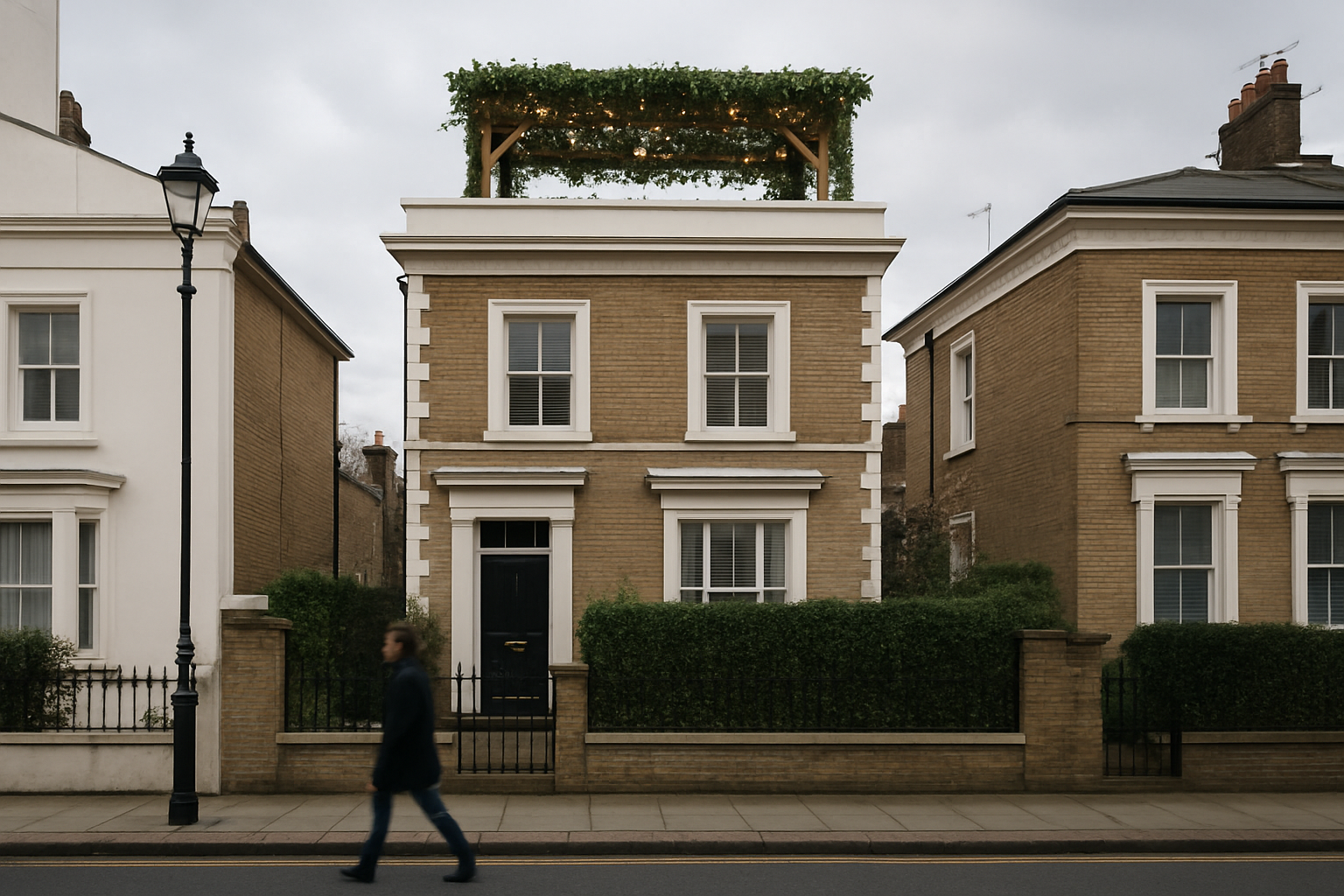
A planning dispute has arisen in South Kensington after Lord Charlie Banner, a leading planning barrister, built a rooftop pergola on his Victorian mews townhouse. The wooden structure appeared during the summer without planning permission, triggering objections from several neighbours. On 8 November 2026, the Royal Borough of Kensington and Chelsea planning committee refused a retrospective application for the pergola after listening to all parties.
Georgina Shacklock, a direct neighbour, was among those who objected. She said that the structure blocked views and affected the quality of life in her home, which she shares with her husband and infant daughter. She accused Lord Banner and his wife, Tetyana Nesterchuk, of deliberately bypassing the planning process. Other residents in the Thurloe and Smith’s Charity conservation area voiced similar concerns over the addition, which stands taller than nearby rooftops and is visible from other properties.
Lord Banner and Mrs Nesterchuk argued that the pergola was temporary and did not require permission. They said it provided essential shelter for their children during warm weather. Despite submitting a retrospective planning application, councillors decided the structure had caused unacceptable harm and should be removed.
The background
Lord Banner has a prominent legal career, having worked on projects such as the HS2 rail scheme and Heathrow airport expansion. He was named Britain’s top planning King’s Counsel by Planning Magazine in 2025 and 2026. His family’s three-storey townhouse is located in a conservation area that places strict controls on alterations and additions to buildings.
According to planning documents and resident objections, the pergola was built without prior approval and only after complaints from neighbours did Lord Banner seek to regularise the development. Ms Shacklock, who bought her property in 2011, said her family was presented with a “fait accompli” as the structure was already built when they learned of it.
She requested that the council refuse retrospective permission and start enforcement for complete removal, citing stress and impact on daily life. Her complaint, published in redacted form online, argued that deliberate circumvention of the planning system creates unacceptable precedent and harms the area’s amenity.
What people are saying
The dispute escalated when Lord Banner publicly identified Ms Shacklock in a statutory declaration submitted as part of his planning application. He accused her, without evidence, of making dishonest representations, questioning whether she and her baby resided at the property and suggesting possible political motives for her opposition. In response, Ms Shacklock told the planning committee she lives full-time at her home, called the accusations “abhorrent” and denied dishonesty.
A source close to Ms Shacklock said that although multiple households objected, Lord Banner focused his criticisms on her personally. The source insisted that she permanently resides at her property, countering his claims.
Supporters of the pergola included Sir Lynton Crosby and the Reuben brothers, who sent representations to the council. Sir Lynton wrote that the structure was appropriate for the area and improved rooftop amenity. Council documents, however, recorded fourteen letters in support and seven opposed, though Mrs Nesterchuk claimed the objections were from just three individuals and suggested that some were written by AI. Officers concluded the pergola was 'unsightly' and not in keeping with the conservation area, echoing neighbour concerns about its size and impact.
What happens next
Following the committee’s refusal to grant retrospective permission, enforcement action will be taken for the removal of the pergola. Despite this, Ms Nesterchuk has already lodged an appeal against the decision and has applied for a lawful development certificate which, if granted, could allow the pergola to remain. Both the appeal and certificate application are pending determination by the local authority.
A source close to the Banner–Nesterchuk family reported that the ongoing dispute has affected their wellbeing, and that the household wishes to proceed through legal channels while focusing on their daily lives. The enforcement process may take several weeks or months, depending on the outcome of the appeal and further planning review.