
When consent needs checking
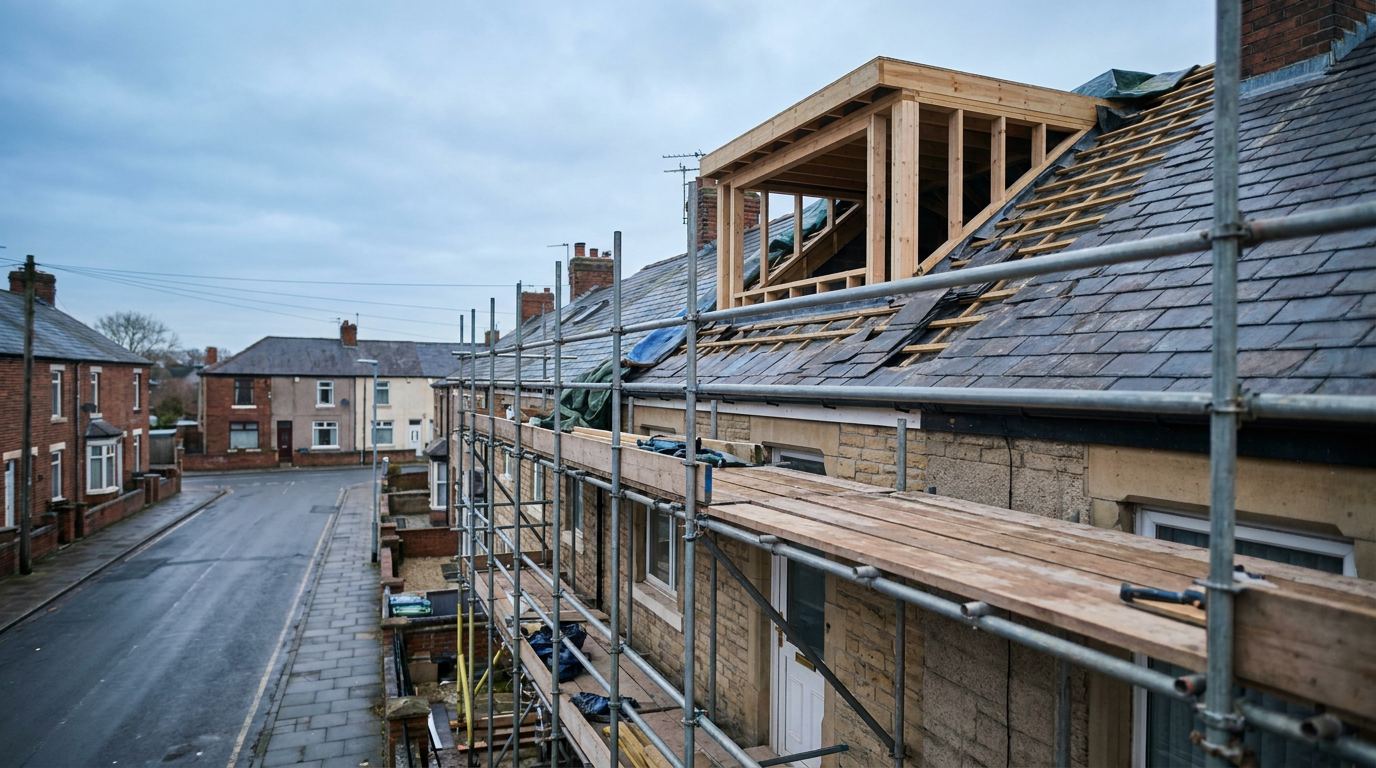
A Roofing Today blog published on 21 September 2026 distinguishes routine roofing maintenance from alterations that change a roof’s shape. It says many repairs, replacement coverings and like-for-like jobs do not require planning permission. Dormers, raised ridges, mansards and loft conversions are among the projects it identifies as potentially needing consent.
The advice is to check the planning position when preparing a quotation. The blog notes that permitted development covers many roofing jobs, but not all of them. An early check helps avoid discovering that permission is required after the existing roof covering has been removed.
What the location plan shows
The location plan identifies the application property within the surrounding street. Roofing Today gives typical scales of 1:1250 and 1:2500, with a red boundary marking the site. This gives the planning officer a way to establish which property the application concerns before considering the proposed work.
The blog highlights practical questions the drawing needs to resolve. These include distinguishing neighbouring addresses, identifying the correct house in a terrace of similar properties and showing whether access falls within the red boundary. The plan’s role is to establish the site, rather than explain the proposed roof design.
The article also names Planning Maps UK as a supplier of location, site and block plans based on Ordnance Survey mapping. It describes the service as an option for homeowners and contractors who want the mapping prepared outside the roofing business.
Keeping the application consistent
For dormer and loft projects, the blog recommends agreeing the site boundary before preparing the rest of the drawings. It proposes a sequence of location plan, block plan, roof layout and elevations. Each later drawing should remain consistent with the boundary established at the start.
The distinction is between paperwork that prevents an application progressing and issues arising during consideration of the proposal. Clients may expect design questions or comments from neighbours to determine the timetable. The blog says an incorrect initial drawing can stop the application reaching that stage.
The consequences described for roofing contractors include changes to scaffold dates and the loss of a planned weather window. Roofing Today links those programme problems to time spent correcting drawings, rather than to the roof work itself. Its advice is to resolve the mapping and drawing consistency before those administrative issues affect the site schedule.