
Planning pest checks before work starts
Pest control should be considered at the estimating stage, according to advice published by Roofing Today on 15 September 2026. Its guidance recommends involving a pest control specialist before roofing crews arrive, so any removal work can be planned separately from the roof programme.
That early involvement also allows the client to establish who will deal with an infestation and when. The article says a trained pest technician has equipment for removing nests or rats safely and can recognise evidence of activity that a roofing crew may miss.
The initial site inspection should include a walk around the building, with attention to soffits, ventilation openings and the underside of eaves. Finding pest activity at this point gives the contractor time to arrange specialist help rather than encountering it while stripping the roof.
Responding to nests and timber damage
Roof tiles and loft spaces can harbour nests, Roofing Today reports. Bees can enter through openings beside pipes and fan outlets. Disturbing an established colony can trigger an aggressive response, making removal a separate task rather than something to attempt alongside roofing work.
The article advises crews to stop work when a nest is found and wait for professional removal. It identifies the risk of a severe allergic reaction to insect stings as a reason not to work around an active nest or disturb it by hand.
Wood-boring beetles present a different problem because their effects may not be visible during an inspection from ground level. The article identifies fascia boards, soffits and timber shingles among the components that can be affected. Stripping the roof may reveal deterioration in wood that previously appeared intact.
Where timber is soft or breaks apart, the advice is to assess the extent of the damage before reframing proceeds. Roofing Today warns that patching around affected wood leaves the underlying problem unresolved and may lead to later repair costs, delays or a warranty claim from the client.
Closing access points as the job progresses
Roofing Today cites the British Pest Control Association as identifying openings at eaves and roof edges as common routes into buildings for rats. These are also areas that can be left open during roof work, allowing pests access while the building envelope is incomplete.
The article recommends closing gaps beside vents, flashing and chimney flanges when each part of the roof is finished. It advises against leaving all sealing work until the final inspection, particularly where a job extends over several days and gives rodents or insects repeated opportunities to enter the loft.
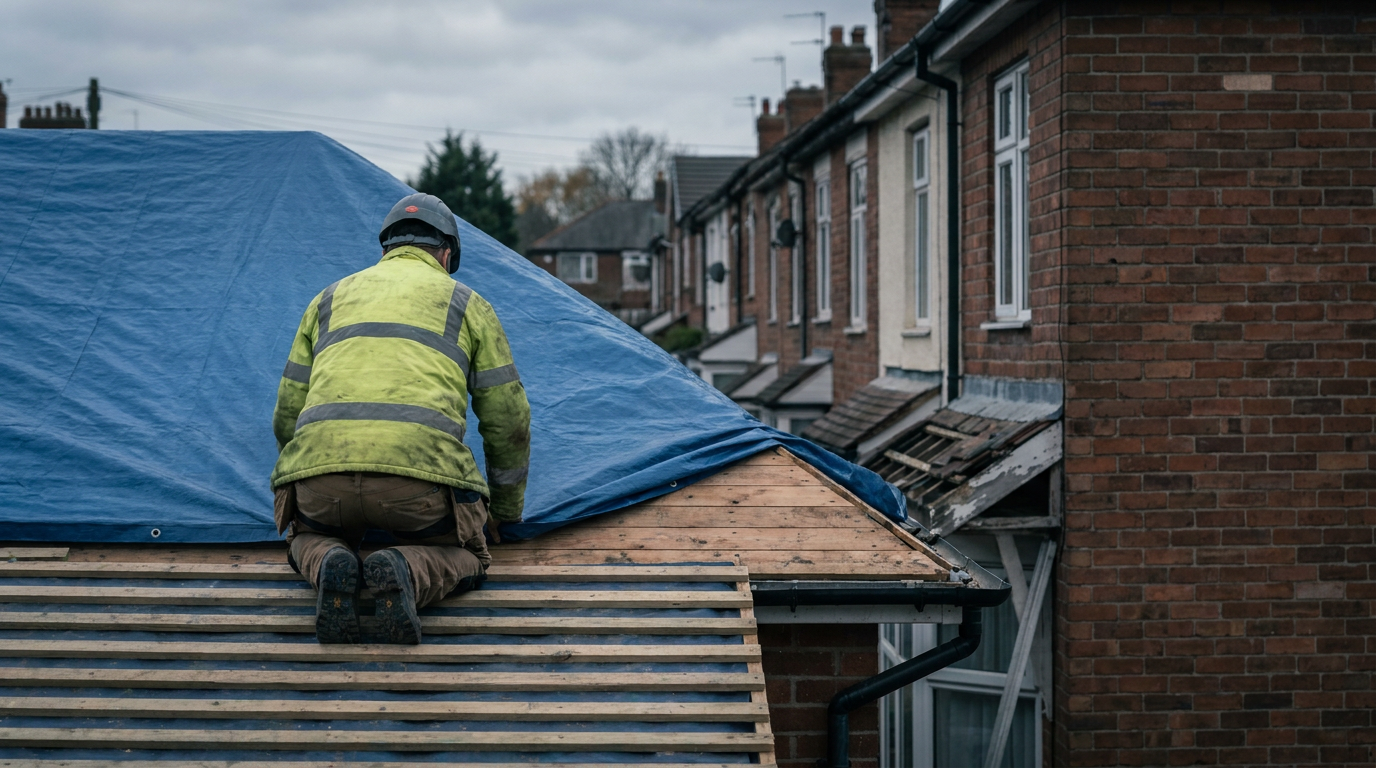
Decking that remains exposed overnight should be protected with a weatherproof tarpaulin, the guidance says. That covering should also prevent entry from underneath. This makes temporary protection part of the daily work sequence, rather than relying solely on the completed roof to exclude pests.
Storm-related inspections are another part of the advice. Heavy rain and strong winds can create openings in roof coverings while driving pests towards shelter. Roofing Today recommends including recurring checks of flashing and seals in storm-season planning to address routes that could admit both water and pests.