What happened
North Somerset Council will launch a new procurement process for upgrade works along the A38 after negotiations with contractor Octavius failed to produce an acceptable construction price. The council had appointed Octavius in 2025 under a two-stage design and build agreement. In the contract, the contractor was expected to develop the scheme design and then confirm a Stage 2 price for the construction phase.
According to published council papers, Octavius submitted a construction estimate that was above both the original budget assumptions and the approved funding. Following this result, the council sought further clarity through a benchmarking review conducted by Rider Levett Bucknall. The review found the cost increase could not be fully explained by standard drivers such as inflation, utilities, traffic management, design changes, or supply-chain conditions.
Having exhausted these investigations, North Somerset Council decided to end the target-cost procurement route. Council documents state that a competitive retender will be launched using a fixed-price NEC4 Option A contract. The council will begin this process in January.
The background
When the scheme was initially tendered, the council's budget for construction costs was about £18m. The latest benchmarking now puts the construction cost at £23.7m, a figure that does not include related expenses. With the addition of utility diversions, project management costs, the council's own costs, and contingency, the total delivery spend is forecast to reach £33.4m.
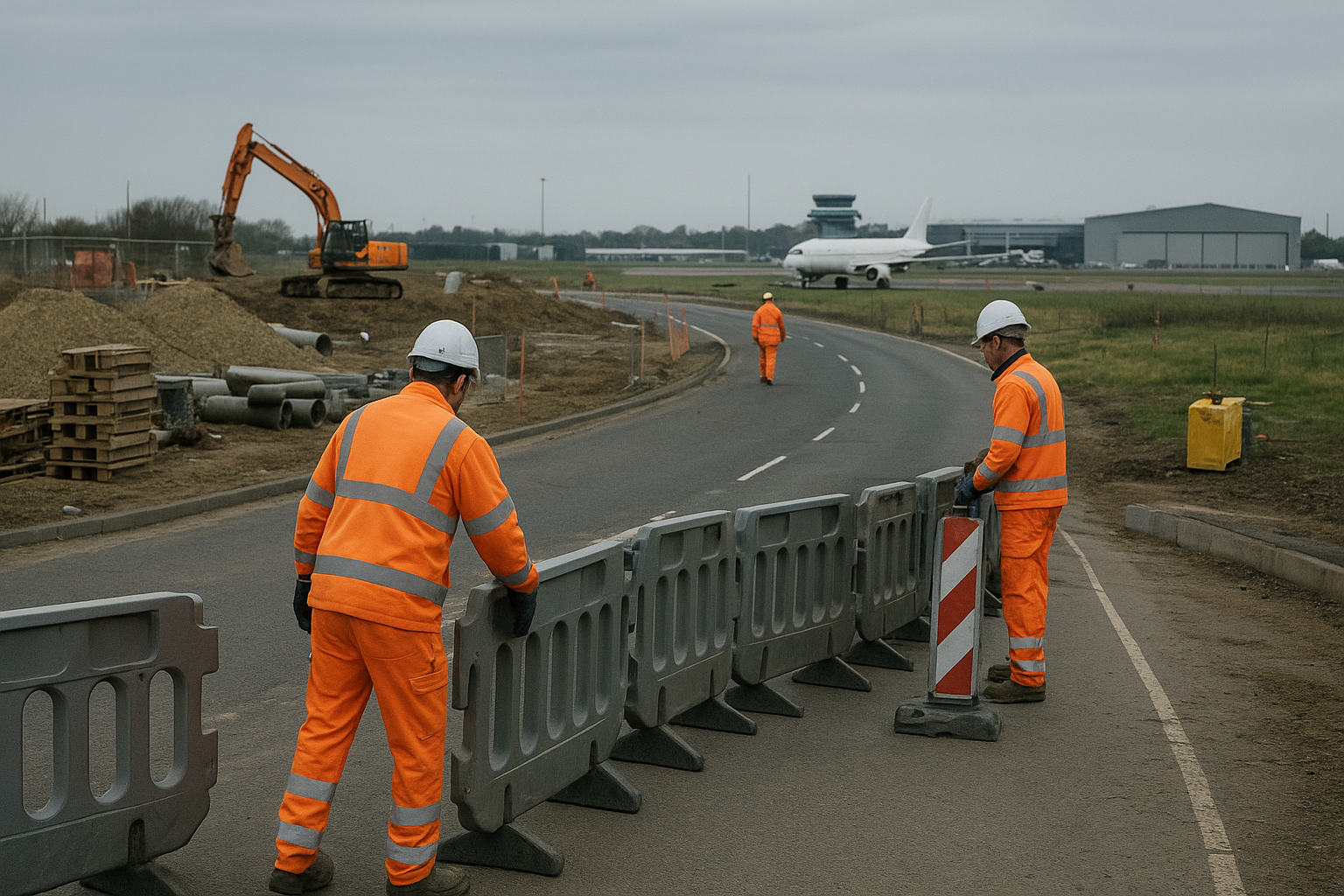
The project covers five separate locations along the A38 corridor. Areas affected include works around Bristol Airport, Langford, and Sidcot. Although the contract with Octavius was for a two-stage design and build, the council included a break clause permitting a switch to a new contractor if an acceptable price could not be agreed.
What people are saying
The benchmarking review by Rider Levett Bucknall found that typical cost inflators could not fully explain the construction price increase. The council papers noted that rising costs had gone beyond projections set when funding was approved. Sources in the technical review said price jumps could not simply be attributed to inflationary trends or supply pressures seen in recent years.
The council confirmed via official channels that it will now seek a new contractor. Procurement is set to begin in January with bids to be assessed in April. The council expects to appoint a new contractor in either May or June 2027. The switch to a fixed-price NEC4 Option A contract aims to reduce cost uncertainty.
What happens next
The shift in procurement approach will delay the start of works by around six months. The construction start is now scheduled for summer 2027, later than originally planned. The council will retender the project early in the year, evaluate bids in the spring, and look to have a contract in place before mid-2027.
Contractors interested in bidding will need to price all five sites under the new fixed-price format. The overall project value now includes higher allowances for risks, diversions, and management, making the total package larger.
The council expects the revised process to address the funding gap and provide a more certain basis for delivery. The use of NEC4 Option A terms is intended to give clearer cost and programme certainty, particularly important for infrastructure schemes affected by recent cost volatility in the construction sector.