What happened
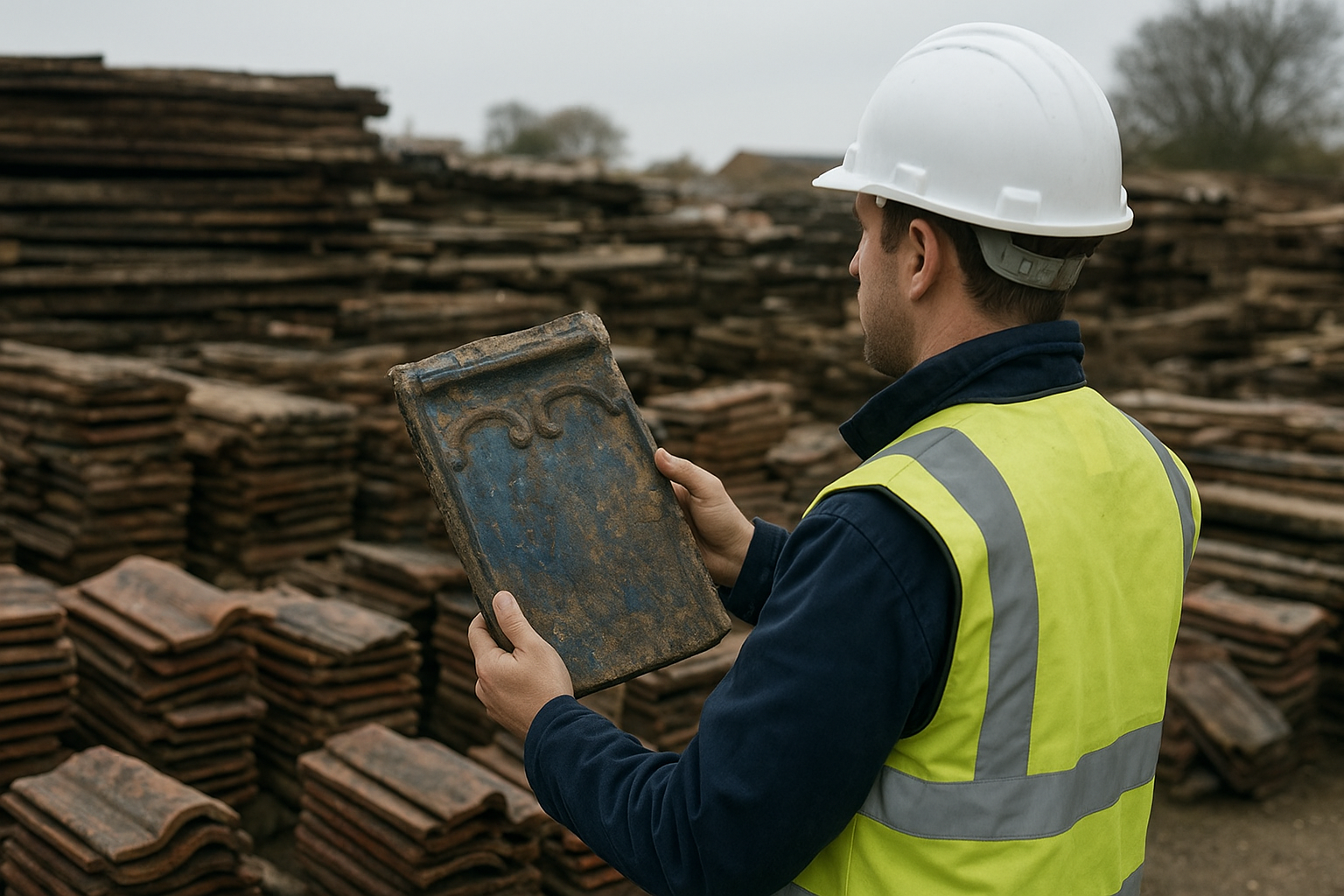
A nineteenth-century Staffordshire Blue roof tile has been discovered at the Cawarden Reclaim yard in Rugeley, Staffordshire. According to Roofing Today, a worker found the reclaimed tile while sorting through old stock. The tile is approximately 200 years old and handmade, with visible signs of long-term weathering. On the back, a message is inscribed in ornate nineteenth-century copperplate writing. The message reads: "I do hereby discharge you, John Lewis, from my employment, Thomas Austin."
The message appears to have been pressed into the wet clay before firing, suggesting that the inscription was made prior to the tile’s kiln process at the manufacturing site. The origin of this practice, and the reason for inscribing the message, are not fully documented.
Staff at Cawarden Reclaim believe the tile was recovered from a farmhouse that has since been redeveloped for new housing. The message’s content suggests that it could have served as a unique record of employment termination or might simply reflect a moment in the life of the people who made and used roof tiles in the early 1800s.
The background
Cawarden Reclaim has operated as a specialist reclamation yard for 40 years. The tile was found in their ordinary operations sorting historic building materials. Staffordshire Blue tiles are known for their durability due to the hard firing process. According to staff research, Thomas Austin Brick & Tile Makers was active at Clay Hills in Tunstall, Stoke-on-Trent in 1820.
The company’s absence from Pigot & Co's 1828/9 Directory of Staffordshire Potteries suggests that it may not have remained in business long after the date of the tile. The early nineteenth-century British clay manufacturing market experienced major upheaval, with regular changes in land ownership and clay extraction rights. Imported porcelain from China was also gaining popularity, increasing competition and instability within the local clay products sector.
Specialist yards like Cawarden Reclaim often recover tiles from properties undergoing redevelopment. In this case, staff think the tile likely came from a farmhouse site now earmarked for housebuilding. The tile’s excellent condition and clear inscription mean it was likely not moved or handled after its original installation until reclamation.
What people are saying
Richard Parrott, chairperson at Cawarden Reclaim, said that he had never seen a tile like this in 40 years of business. He described the find as a "19th Century P45," referencing the British tax form used for employment termination notices today. Employees at the yard speculated on the meaning behind the message, whether it marked the final tile set by a departing worker or signalled a business closure.
The staff carried out further background research, identifying that Thomas Austin Brick & Tile Makers was likely active locally in the early 1800s. The researchers considered that Thomas Austin may have directly employed roofers, providing regular business for the tile company while employing people like John Lewis. The circumstances surrounding the employment and the reason for recording this event on a roof tile remain unclear.
The numbers
Details on the exact date and order volume for the Staffordshire Blue tile are not available. However, the reference to around 1820 places the manufacture at over 200 years ago. Cawarden Reclaim has been trading as a reclamation specialist for 40 years, indicating a long-standing role in handling historic construction materials.
Thomas Austin Brick & Tile Makers operated from the Clay Hills site in Tunstall, Stoke-on-Trent during the early nineteenth century, but was no longer listed by 1828-1829. The British clay manufacturing sector was under pressure from imports and local market changes during this period, indicating high turnover and instability.
What happens next
The tile, now part of Cawarden Reclaim’s stock, has prompted research interest among staff and may attract heritage or historical attention. With redevelopment ongoing at the original farmhouse site, further materials of historical significance could be uncovered.
The find highlights the value of specialist reclamation yards in preserving and discovering artefacts from Britain’s industrial heritage. Any further investigation would require additional documentary research or analysis of surviving buildings in the area.
No further statements from local authorities, museum bodies, or academic researchers have been reported regarding the future of the roof tile. It is currently held at the Cawarden Reclaim premises.