What happened
The government has released further details on the £700m Strategic Sites Accelerator, which was announced as part of the Budget. According to a Budget document, the scheme aims to support up to 10 industrial and commercial sites. The support package includes loans, equity stakes, targeted grants and technical advice. Assistance will cover areas such as planning, grid connections and access to finance. The programme is being delivered through the Office for Investment and the National Wealth Fund, as outlined in the government's announcement.
Site-specific engagement is already underway in Glasgow, Burgess Hill and Sheffield, according to the government statement. In these locations, technical support and expertise are being provided for site development. Investment opportunities are also being explored in additional regions, though individual sites in those areas have not been named and the same level of engagement has not been confirmed for them.
The background
The Strategic Sites Accelerator was initially announced under the 2025 Modern Industrial Strategy, with funding in excess of £600m. The 2024 Budget increased the figure to around £700m, but it is not clear if the latest sum includes new funding beyond what was previously announced. Government aims for the scheme include attracting up to £2bn in private investment and supporting tens of thousands of jobs across the selected sites over time. Each individual investment will be subject to commercial assessment, due diligence and government approval before being confirmed.
The scheme is part of broader partnerships with the National Wealth Fund to support regional industrial development. South Yorkshire mayor Oliver Coppard referenced backing for the Runway Park project on the site of the former Sheffield City Airport and pointed to the partnership’s potential to unlock site development. However, the government has not provided a full list of candidate sites or specified the nature of the support being considered for each location.
What people are saying
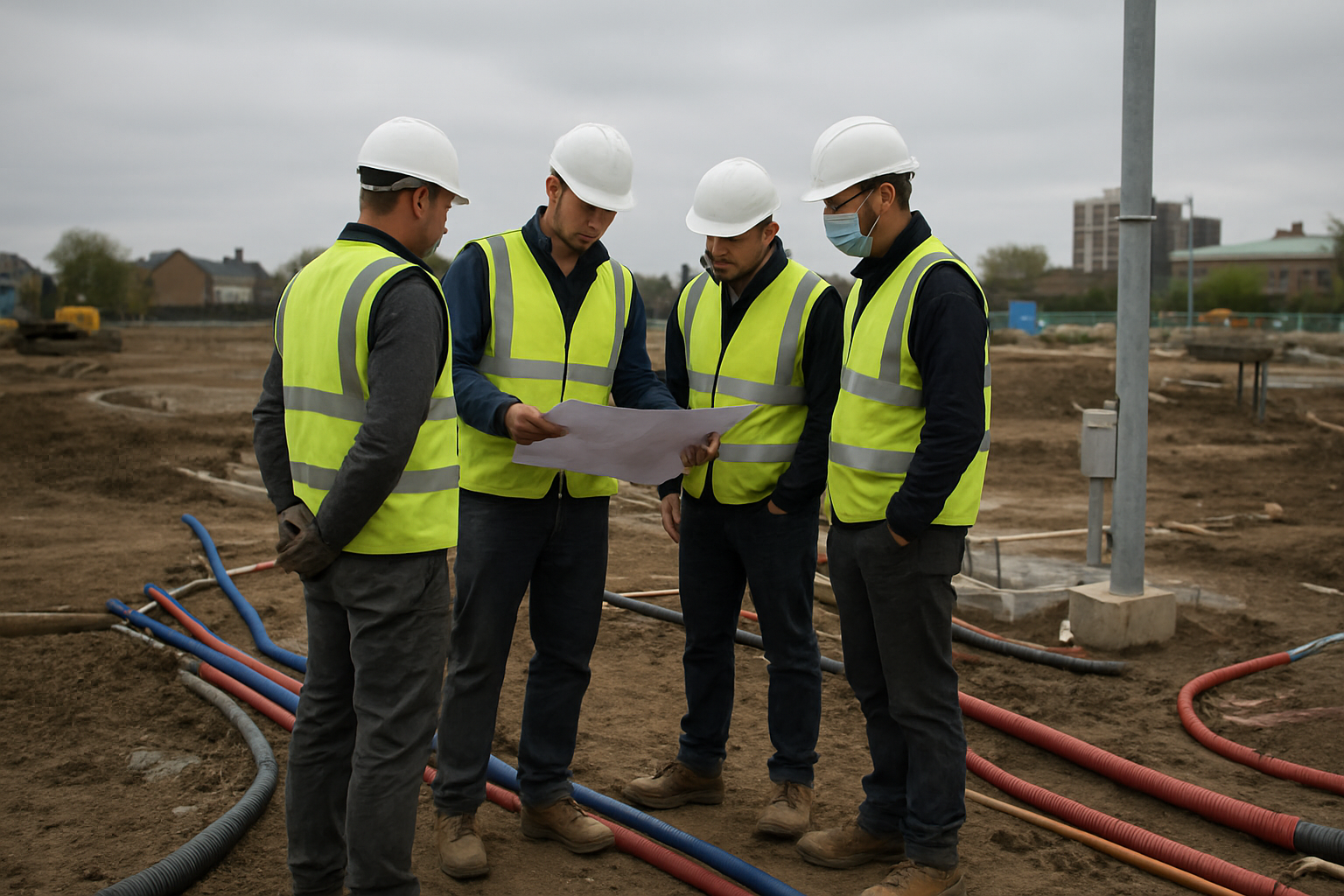
Civil Engineering Contractors Association (CECA) policy director Ben Goodwin welcomed the early involvement of civil engineering contractors. He said that engaging contractors at the start enables local leaders and investors to clarify site requirements, estimate costs and determine a delivery order. Goodwin said basic enabling infrastructure such as power, water, drainage and access roads must be established before commercial or industrial sites can become operational. He called for agreed programmes at each selected site that clearly set out responsibilities, funding arrangements and target dates. He also said that local authorities, utility providers, developers and government should work to a unified timetable.
Local partnerships are expected to play a role, but information on how responsibilities will be split and how funding will be allocated has not been made public. Regional approaches will be shaped in coordination with existing National Wealth Fund arrangements according to the government’s regional release.
What happens next
The government’s engagement with the first group of sites is ongoing, with technical support active in Glasgow, Burgess Hill and Sheffield. Further site selection and additional investment considerations are expected as the programme progresses. Each selected investment will have to pass through commercial checks, due diligence processes and formal approval. The timetable for final site selection and funding commitment has not been published. Contracts and agreements relating to enabling infrastructure development will be coordinated among local authorities, developers, and utility providers in the respective locations. Future announcements are expected to clarify which sites will receive direct government support and to set out specific funding allocations, timelines and contractor involvement for each project.